
Chronic Inflammatory Response Syndrome (CIRS)
“CIRS” is a term some clinicians use to describe persistent symptoms that may follow exposure to biotoxin-related environments (such as damp, water-damaged buildings). Because symptom patterns can overlap with many conditions, a careful evaluation is essential.
Indoor dampness & mold: what’s well supported
Scientific reviews link damp indoor environments and mold with respiratory problems, including asthma symptoms in susceptible individuals and coughing/wheezing/upper respiratory symptoms in others.
- Prevention (minimizing persistent dampness and microbial growth) is emphasized as the key public health strategy.
WHO Guidelines - CDC resources note mold can trigger allergy/asthma symptoms and can irritate eyes/nose/throat/lungs.
CDC - EPA notes air cleaners/filters can reduce indoor air pollutants (helpful as part of an overall plan).
EPA
Overview
Chronic Inflammatory Response Syndrome (CIRS) is described by some clinicians as a complex, multi-system symptom pattern that may follow certain environmental exposures (including damp, water-damaged buildings). Because symptoms can overlap with many medical conditions, evaluation focuses on history, symptom patterns, and appropriate testing when indicated.

Common Symptoms
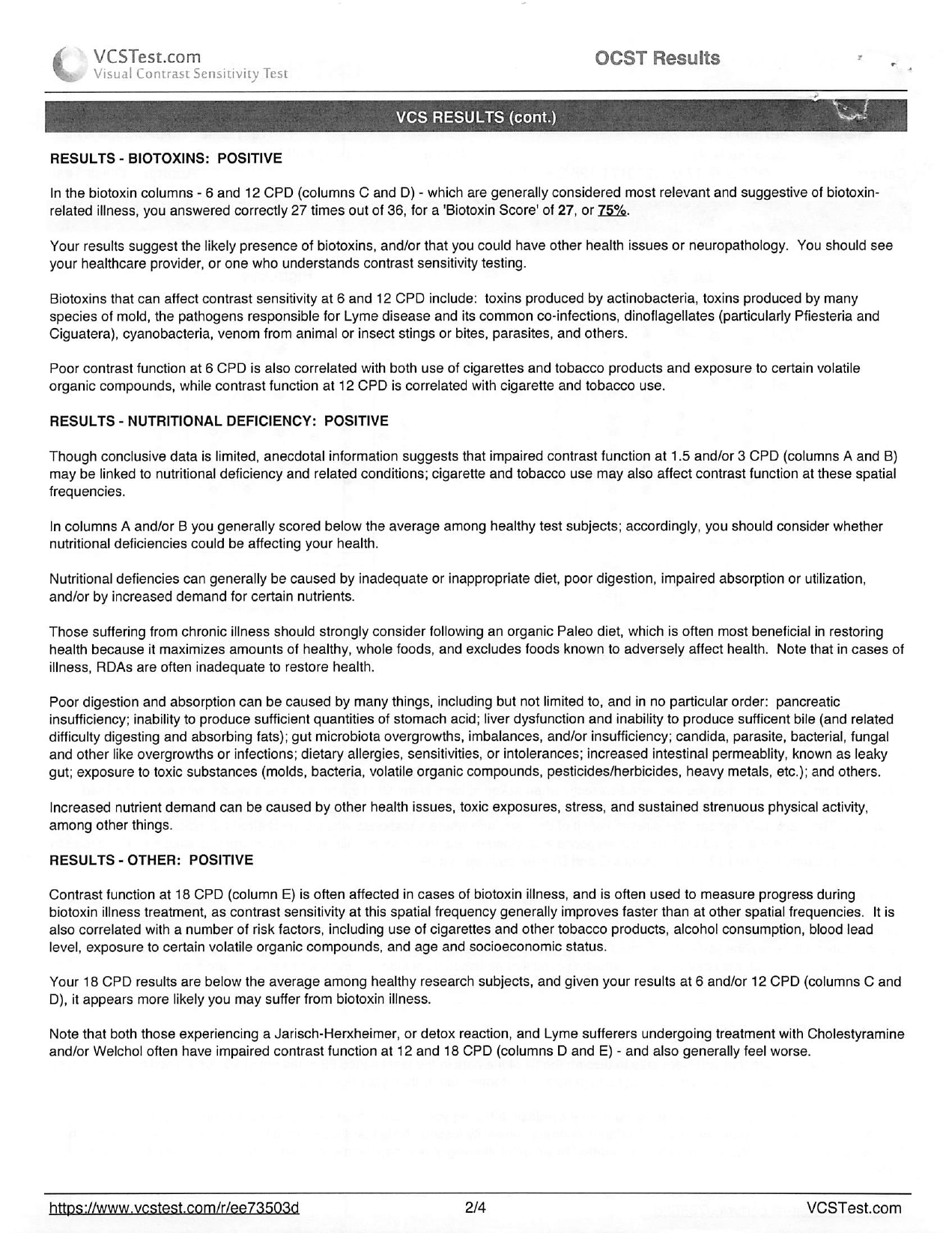
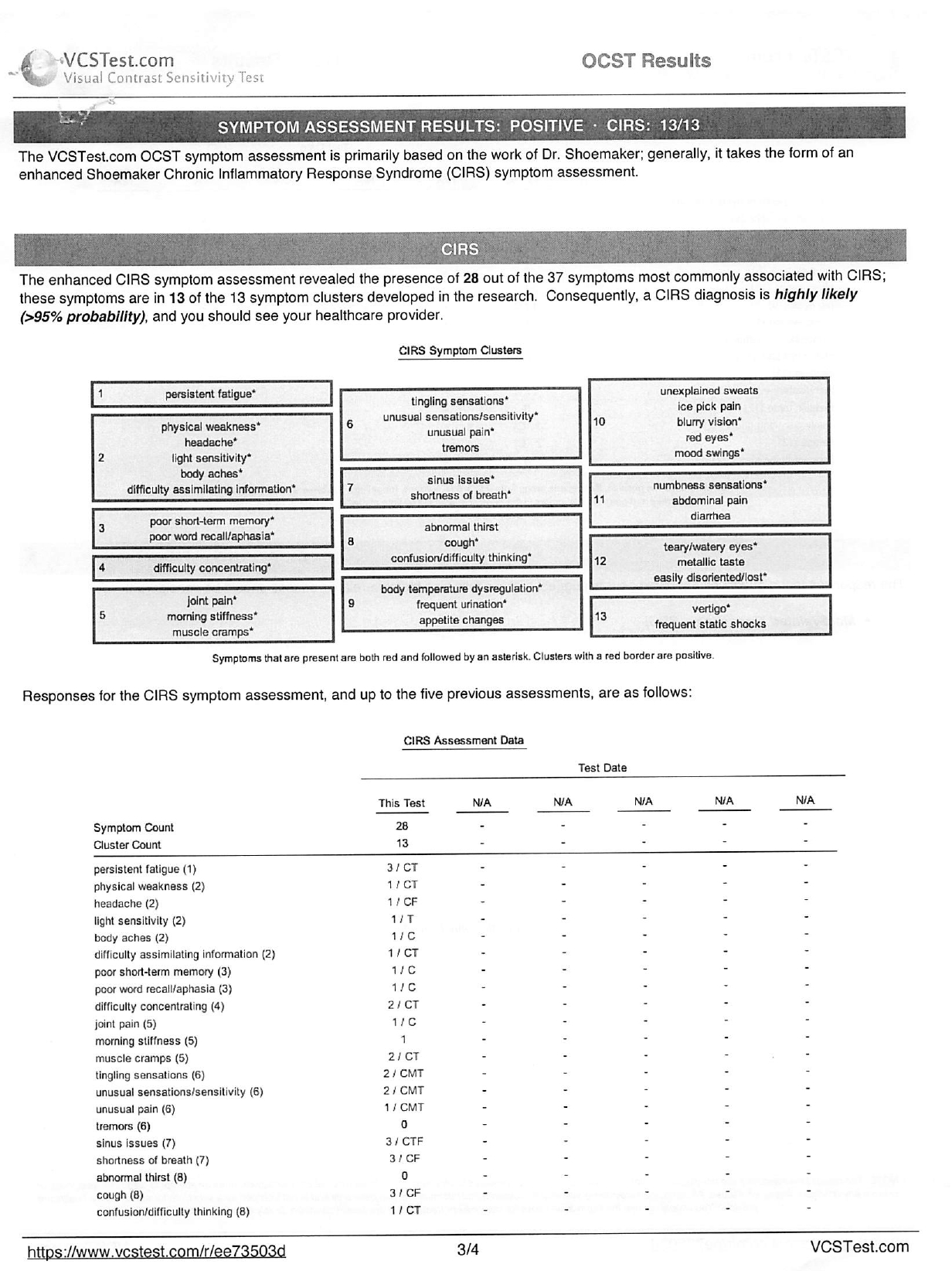
People concerned about CIRS/biotoxin illness often report symptoms across multiple systems. Examples can include:
- Neurological: memory issues, difficulty concentrating, mood changes, anxiety/depression
- Musculoskeletal: muscle pain, joint pain, stiffness
- Gastrointestinal: abdominal discomfort, diarrhea or constipation
- Respiratory: sinus congestion, cough, shortness of breath
- Visual: light sensitivity, blurred vision
Diagnosis
A high-quality evaluation typically includes:
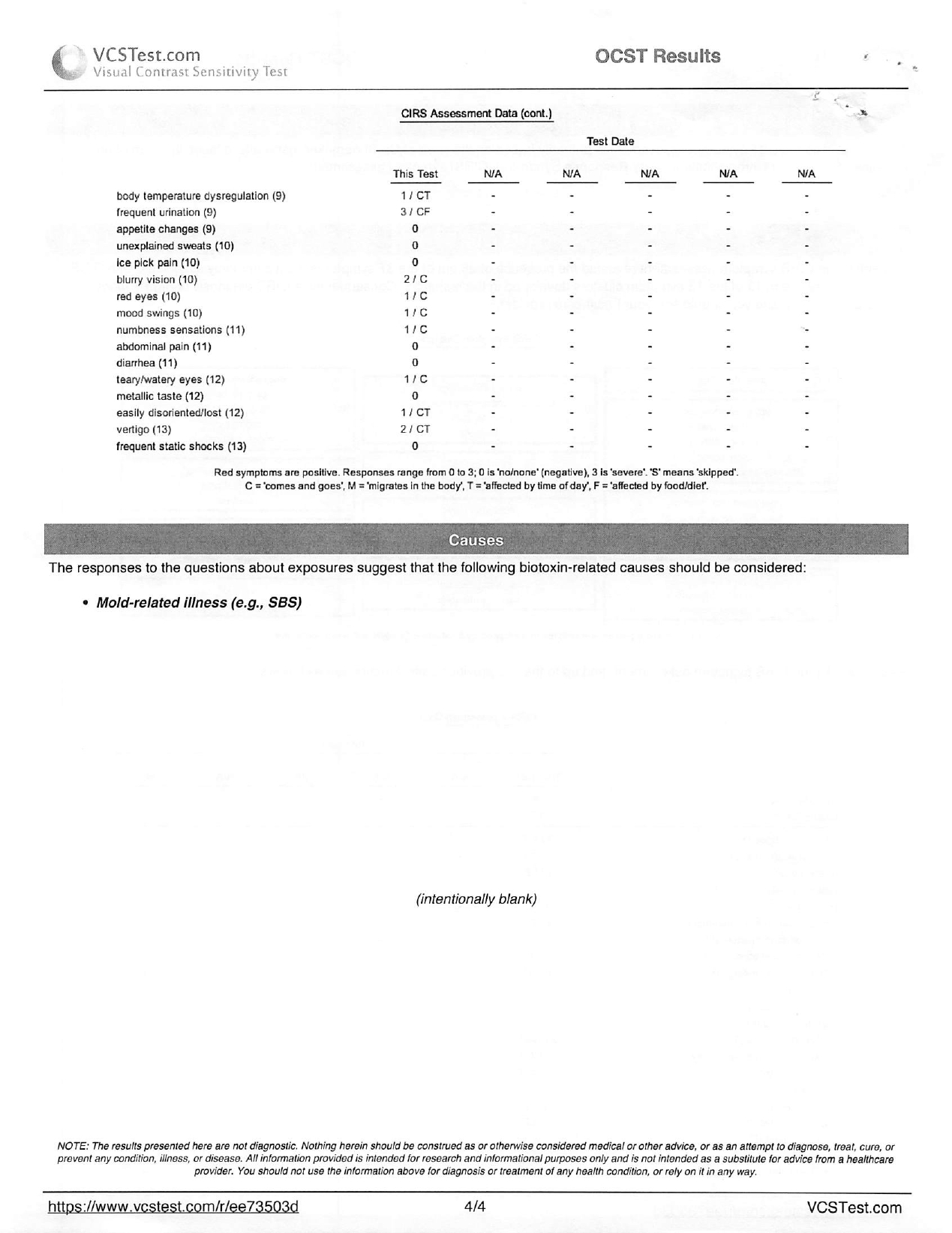
- Medical history: symptoms, timing, and possible exposures (including indoor dampness/mold)
- Symptom review: identifying patterns affecting multiple systems
- Targeted testing: based on symptoms and clinical need (lab work, respiratory/allergy evaluation, etc.)
- Environment review: practical steps to minimize persistent dampness and microbial growth indoors
Treatment Approach
Support plans are individualized. When environmental factors are suspected, a common emphasis is reducing ongoing exposure and supporting overall health.
- Reduce exposure: address persistent dampness/microbial growth; consider professional remediation when indicated
- Indoor air quality: filtration and ventilation strategies as part of an overall plan
- Medical support: symptom-focused care and clinically appropriate testing/treatment plans
- Lifestyle foundations: sleep, nutrition, activity, stress support
When to Seek Care
Because symptom patterns can overlap with many conditions, it’s important to work with a qualified clinician who can evaluate the whole picture, rule out other causes, and guide a safe plan. If you have severe breathing difficulty, chest pain, or emergency symptoms, seek emergency care immediately.
Gallery
Additional educational visuals and resources.
[Best_Wordpress_Gallery id="5" gal_title="CIRS"]Frequently Asked Questions
Evidence-informed answers with credible medical and public health references.
Book Your Visit
Request an appointment below. This form is designed for non-urgent requests. If this is an emergency, call 911.
What to expect
We’ll review your symptoms, history, and goals, and discuss practical next steps including evidence-informed testing options, environmental considerations, and a personalized plan.
Prefer to schedule immediately? Use your appointment link or call the office.